US Visa Waiver Program: The 2025–2026 US Visa Waiver Program (VWP) is a game-changer for international travelers. It gives citizens from 43 trusted countries the ability to enter the United States for up to 90 days without needing a traditional visa — as long as they apply for ESTA (Electronic System for Travel Authorization) online before travel. Sounds simple, right? But like most government processes, there are details, exceptions, costs, and new policy shifts you need to know. Whether you’re a curious student, a seasoned travel advisor, or a global professional, understanding how the VWP works will save you time, money, and stress.
US Visa Waiver Program
The 2025–2026 US Visa Waiver Program is still one of the best tools for fast, reliable, visa-free travel to the United States. With 43 countries included and an easy online ESTA system, the program helps families vacation, professionals attend meetings, and travelers explore America’s cultural riches — all without jumping through long visa hoops. But with increasing security protocols, rising costs, and proposed social media requirements, it’s more important than ever to stay informed, apply early, and follow the rules.
| Feature | Details |
|---|---|
| Program | Visa Waiver Program (VWP) |
| Eligible Countries | 43 countries including most of Europe, parts of Asia-Pacific, and others |
| Visit Duration | Up to 90 days per visit |
| Entry Requirement | ESTA authorization required |
| ESTA Fee | $40 as of 2025 |
| Purpose of Visit | Tourism, business, transit, medical treatment |
| Restrictions | No work, study, or extension allowed |
| Security Updates | Social media history, biometric data proposals under review |
| Official Website | travel.state.gov |
What Is the US Visa Waiver Program (VWP)?
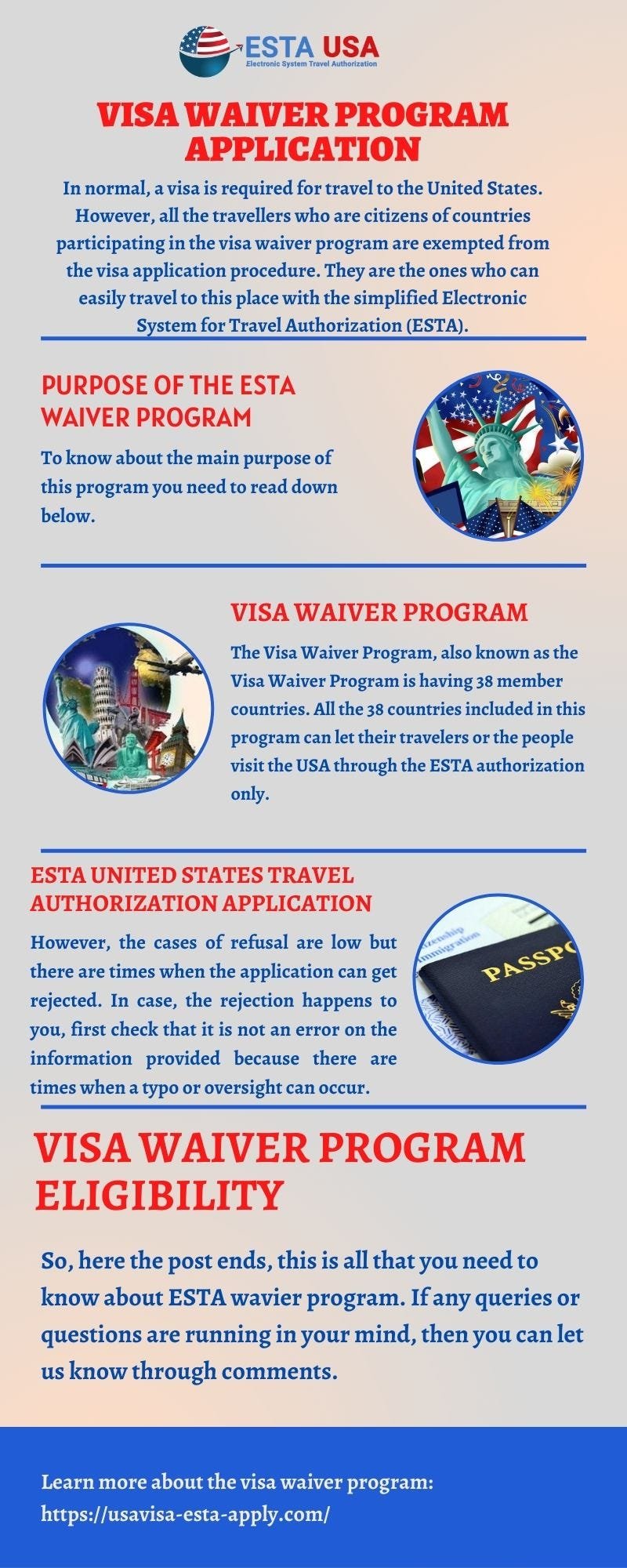
The Visa Waiver Program is a U.S. government initiative that allows eligible foreign nationals to enter the U.S. for business or tourism without needing a visa. Instead, visitors must apply for a travel authorization through the ESTA system, which screens applicants for eligibility.
This is not a new concept — the VWP has been around since 1986, introduced as a way to streamline low-risk travel and promote tourism and business relations with allied nations. Over the years, it has grown significantly, both in terms of countries included and in the scope of security checks required.
Why ESTA Is Crucial?
Many travelers confuse the VWP with “free access.” That’s not exactly true. You still need ESTA approval, which is a mandatory digital authorization before entering the U.S.
ESTA is not a visa — but it serves as a prescreening mechanism. The online application collects your personal information, passport details, travel plans, and answers to eligibility questions related to health, criminal history, and immigration violations. In 2025, the cost for ESTA was raised to $40, covering both processing and authorization.
Important: ESTA must be completed at least 72 hours before travel — don’t leave it until the last minute.
The Full List of US Visa Waiver Program Countries (As of 2025)
These 43 countries are officially part of the Visa Waiver Program:
Europe
Andorra, Austria, Belgium, Croatia, Czech Republic, Denmark, Estonia, Finland, France, Germany, Greece, Hungary, Iceland, Ireland, Italy, Latvia, Liechtenstein, Lithuania, Luxembourg, Malta, Monaco, Netherlands, Norway, Poland, Portugal, San Marino, Slovakia, Slovenia, Spain, Sweden, Switzerland, United Kingdom
Asia-Pacific
Australia, Brunei, Japan, New Zealand, Singapore, South Korea, Taiwan
Middle East & Americas
Chile, Israel, Qatar
New Additions (2024–2025): Romania and Qatar were among the latest countries granted VWP access, following improvements in security cooperation and passport issuance systems.
How the US Visa Waiver Program Works? (Step-by-Step)
Let’s walk through a basic VWP journey:
Step 1: Verify Eligibility
Check your passport country. You must be a citizen (not just a resident) of a VWP country and have an e‑Passport (with biometric chip).
Step 2: Apply for ESTA
Go to esta.cbp.dhs.gov and fill out the online form. You’ll need:
- Passport details
- Travel info
- Address in the U.S. (hotel, family, etc.)
- Emergency contact info
- $40 fee paid via credit/debit
Step 3: Wait for Approval
Most applications are approved within minutes, but plan for 24–72 hours. Print or save your ESTA number.
Step 4: Travel to the U.S.
At your port of entry, a Customs and Border Protection (CBP) officer reviews your documents. Even with ESTA, entry is not guaranteed — final decision rests with CBP.
Step 5: Stay for 90 Days or Less
No extensions. No changes. Overstaying could ruin your chances of visiting the U.S. again.
Limitations of the VWP
While VWP offers convenience, it comes with strict rules:
- No job offers: You can attend conferences, meet clients, or negotiate contracts — but you can’t take up paid employment.
- No studying: Even a short course or university visit for credit purposes requires a proper visa (like F-1).
- No extensions: You must leave before 90 days — even for emergencies.
- One-way ticket? Expect scrutiny. Officials may ask for proof of onward travel.
New Developments in 2025–2026
1. Social Media Screening Proposal
In late 2025, the Department of Homeland Security proposed a new rule: ESTA applicants may be required to list all social media handles from the past five years. This includes platforms like Instagram, Twitter/X, Facebook, and LinkedIn.
This move aims to increase national security, but critics argue it could:
- Invade privacy
- Cause delays
- Lead to arbitrary rejections
Nothing is final yet, but travelers are advised to be honest and consistent with all submitted information.
2. Biometric Data Expansion
There is also growing discussion around collecting facial recognition and fingerprint scans as part of ESTA or upon arrival. This would bring VWP in line with other global travel systems, but raises technical and civil liberty concerns.
Real-World Example: How It Helps Travelers
Let’s say Sofia, a graphic designer from Spain, wants to spend 3 weeks touring New York, Boston, and Los Angeles. Under the VWP:
- She applies online for ESTA 2 weeks before travel.
- Pays $40 and gets approved in 30 minutes.
- Books her round-trip flight and arrives in JFK.
- A CBP officer checks her documents, and she’s stamped in for 90 days.
No embassy visits. No visa interviews. No red tape. That’s the power of VWP.
Economic Impact: Why It Matters
VWP isn’t just about convenience — it’s big business. According to U.S. Travel Association data:
- Over 23 million travelers entered the U.S. via VWP in 2024.
- VWP countries contributed $190 billion+ in tourism-related revenue.
- Each VWP visitor spends an average of $4,000–$6,000 per trip in the U.S.
Allowing visa-free travel means:
- More tourism jobs
- More small business income
- More trust between allied nations
That’s why countries lobby hard to join the program — and why the U.S. uses it as a soft power tool.
First U.S. Guaranteed Income Program; Who’s Eligible and How to Apply Now
Who’s Really Receiving Food Stamps? Shocking USDA Data Breaks It Down by Ethnicity
New Arrivals at Marshalls: The Coziest, Trendiest & Most Giftable Items for December 2025