U.S. Guaranteed Income Program: The first U.S. guaranteed income program that delivers $500 a month has been making waves across the country. Not just because of what it gives — but because of what it represents. This isn’t some complicated government voucher or old-school welfare. It’s cold, hard cash — with no strings attached — given monthly to people who qualify. That’s right: $500 you can use for groceries, rent, car repairs, baby diapers, or even to start a side hustle. The program, officially called the Cook County Promise Guaranteed Income Program, started in late 2022 and is now heading into a new chapter. In 2026, Cook County will become the first county in the United States to establish permanent funding for a guaranteed income initiative. This is big — not just for folks in Illinois, but for the whole country. This article breaks down who qualifies, why it matters, how it works, and what it means for you or your community. Whether you’re a student, parent, policy wonk, or working-class neighbor, this is your guide.
U.S. Guaranteed Income Program
The Cook County Promise Guaranteed Income Program is the first government-backed program in the United States to offer guaranteed income at the county level — and it’s sticking around. With $500 monthly payments, no strings attached, and permanent funding starting in 2026, it’s proving that cash works. If you’re a low- or moderate-income adult living in Cook County, this could change your life. And even if you’re not — this could be a blueprint for what’s coming next in American social policy.
| Topic | Details |
|---|---|
| Program Name | Cook County Promise Guaranteed Income Program |
| Monthly Benefit | $500 per household |
| Pilot Duration | December 2022 – January 2025 |
| Participants | 3,250 households |
| Eligibility | Adults (18+), Cook County residents, income-based |
| Selection Method | Random lottery |
| Future Funding | $7.5 million/year starting in 2026 |
| Administered By | Cook County Government |
| Official Website | https://www.cookcountyil.gov/promise |
What Is U.S. Guaranteed Income Program?
Guaranteed income is a policy idea where people — usually low-income earners — receive a steady, predictable cash payment from the government or an organization. There are no restrictions on how to spend it, and there are no work requirements. The idea is to provide a financial cushion, so folks can breathe a little easier and maybe even get ahead, not just survive.
It’s not the same as Universal Basic Income (UBI), which would go to everyone, regardless of income. Guaranteed income, on the other hand, targets people who actually need the support — like single parents, underpaid workers, part-time employees, students, and retirees on fixed incomes.
Why Did Cook County Launch This U.S. Guaranteed Income Program?
After COVID-19 hit, millions of Americans faced job loss, housing insecurity, medical bills, and mental health challenges. Even when jobs came back, wages didn’t always keep up with inflation. So, Cook County used money from the American Rescue Plan Act (ARPA) to test a new idea: What if we just gave people money and trusted them to use it wisely?
This $42 million pilot launched in 2022, with $500 monthly payments going out to 3,250 households. The results were so promising that the county decided to fund the program permanently starting in 2026 — making it the first of its kind in the U.S.
Who Is Eligible for the U.S. Guaranteed Income Program?
For the original program — and likely for the upcoming expansion — participants needed to meet basic criteria.
1. Age Requirement
You had to be at least 18 years old at the time of application.
2. Residency
You had to live in Cook County, Illinois, which includes Chicago and its surrounding suburbs. Proof of address was required, such as a utility bill or government-issued ID.
3. Income Limits
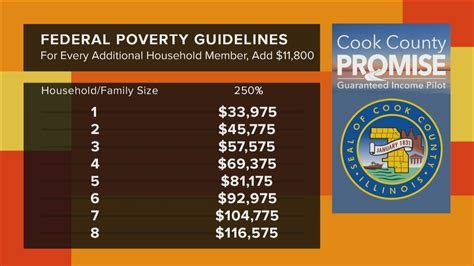
Applicants had to meet income guidelines. Specifically, households earning up to 250% of the federal poverty level (FPL) were eligible.
For context, here’s what 250% of the FPL looked like in 2022:
- 1-person household: under $33,975
- 2-person household: under $45,775
- 4-person household: under $69,375
Note: Income thresholds may be adjusted slightly in future rounds to reflect inflation and updated poverty guidelines.
4. Lottery Selection
Since over 233,000 people applied, Cook County used a lottery system to select participants fairly. As long as you met all eligibility criteria, you had a shot at being selected — regardless of employment status, citizenship, or criminal record.
How Were Payments Distributed?
Once selected, recipients received:
- $500/month, no strings attached
- Payments via direct deposit or a prepaid debit card
- Funds distributed for 24 consecutive months
There was no requirement to work, report spending, or prove how the money was used. It was all about trust — the county believed that people know best what they need.
And guess what? That trust paid off.
What Did People Spend It On?
According to Cook County’s early data, people used their $500 to cover:
- Food and groceries
- Rent and utilities
- Gas and transportation
- Childcare and school supplies
- Health care and medications
- Emergency savings or debt repayment
Unlike targeted assistance programs (like food stamps), which only cover certain needs, this unrestricted cash helped people respond to life as it happens. It helped folks get back on their feet, plan for the future, and in some cases, even start side businesses or enroll in job training.
What Do the Results Say?
According to county officials and researchers, the U.S. Guaranteed Income Program has already shown strong results:
- 94% of recipients used the funds to cover emergencies
- 75% felt more financially secure
- 56% reported reduced stress
- 73% said the money helped improve their household’s well-being
- 70% saw an improvement in mental health
And here’s the kicker: There was no evidence that people quit working or became dependent on the payments. In fact, many used the money to seek better jobs, reduce burnout, or enroll in school.
How Does This Compare to Other Cities?
Cook County’s program is part of a growing national trend of guaranteed income pilots:
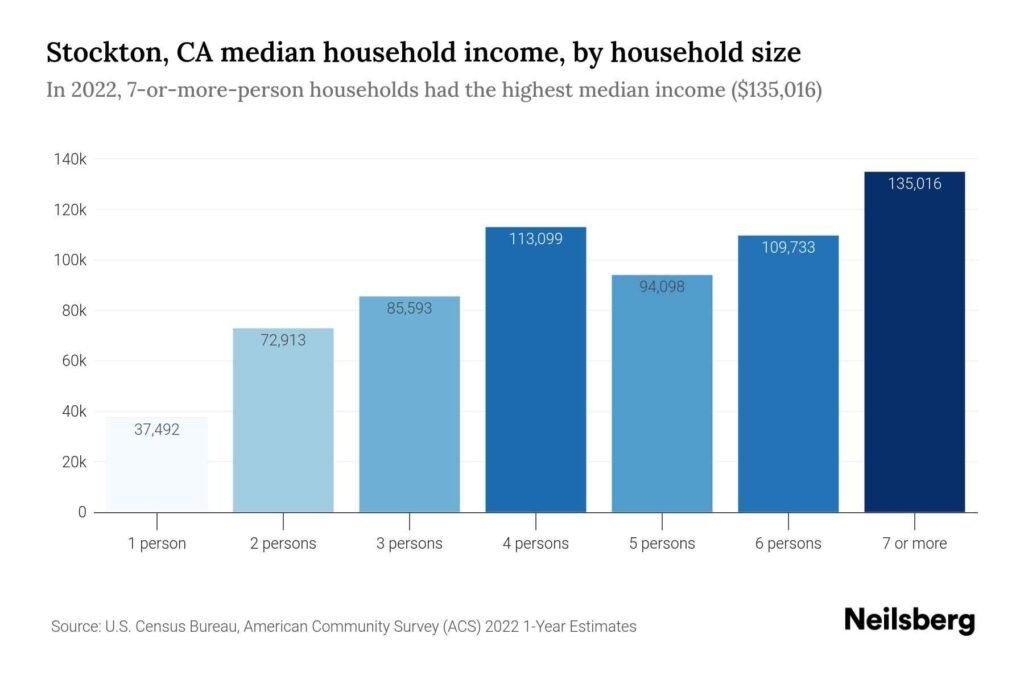
- Stockton, CA: Gave $500/month to 125 people. After 12 months, recipients were more likely to find full-time work.
- Los Angeles, CA: Gave $1,000/month to 3,200 people.
- Denver, CO: Provided cash to people experiencing homelessness, with strong improvements in housing stability.
These pilots show a consistent pattern: cash transfers improve stability, reduce stress, and don’t discourage work. Instead, they open the door to better jobs, better health, and better futures.
What’s Next in 2026?
Starting in 2026, Cook County has committed $7.5 million annually to permanently fund its guaranteed income program. The county is currently designing the application and selection process for this next phase, which may include:
- Expanding eligibility
- Adjusting income limits
- Prioritizing vulnerable groups (e.g. seniors, single parents)
We expect updated details by late 2025 or early 2026.
Texas SNAP Payments Set for December 8–14 — Check Payment Dates and Eligibility Criteria
First U.S. Guaranteed Income Program; Who’s Eligible and How to Apply Now
Federal $2,000 Deposit Arriving in December 2025 – Complete Guide for All Beneficiaries
Why This Matters?
This program is more than just $500. It’s a bold experiment in economic justice. For decades, U.S. safety nets have been tangled in red tape, means testing, and outdated models of who “deserves” help.
But guaranteed income flips the script. It starts with trust, and ends with impact.
By supporting families where they are — not where we think they should be — this program has shown us what’s possible when policy meets real life.
It’s not just a check. It’s dignity, stability, and the power to build a better life.