Energy Bills Warning: If you’ve opened your energy bill lately and felt your heart skip a beat, you’re definitely not alone. Energy prices have been up and down like a roller coaster over the past few years, and most UK households are still feeling the pinch. Now, there’s some good news on the horizon. The UK government has announced a £150 Warm Home Discount, a much-needed break for millions of people struggling with the high cost of living. But here’s the catch — not everyone will automatically get it, and many households might miss out if they don’t act or check their eligibility in time. That’s why this guide walks you through everything you need to know — what the Warm Home Discount (WHD) is, who qualifies, how to claim it, and what to do if you haven’t received your discount letter. We’ll also dig into Ed Miliband’s latest push to make sure every single household gets their fair share — and why it matters for the long-term future of energy prices in the UK.
Energy Bills Warning
The £150 Warm Home Discount is more than a simple rebate; it’s a safety net for millions of families during Britain’s colder months. If you qualify, make sure you check your mail, confirm your supplier, and follow up before the February deadline. Don’t let your savings slip through the cracks — claim what you’re entitled to. Because when it comes to energy bills, every pound counts.
| What | Details (Winter 2025–26) |
|---|---|
| Discount amount | £150 off household electricity or gas bills |
| Eligible households | Over 6 million across England, Scotland, and Wales |
| When it applies | Between October 2025 and March 2026 |
| How it’s applied | Automatically deducted or via voucher for prepayment customers |
| Who qualifies | Households receiving means-tested benefits such as Universal Credit, Income Support, or Pension Credit |
| How to check status | Wait for letter or call 0800 030 9322 |
| Deadline for contact | End of February 2026 |
| Official source | GOV.UK Warm Home Discount |
Why Energy Bills Warning Matters Now?
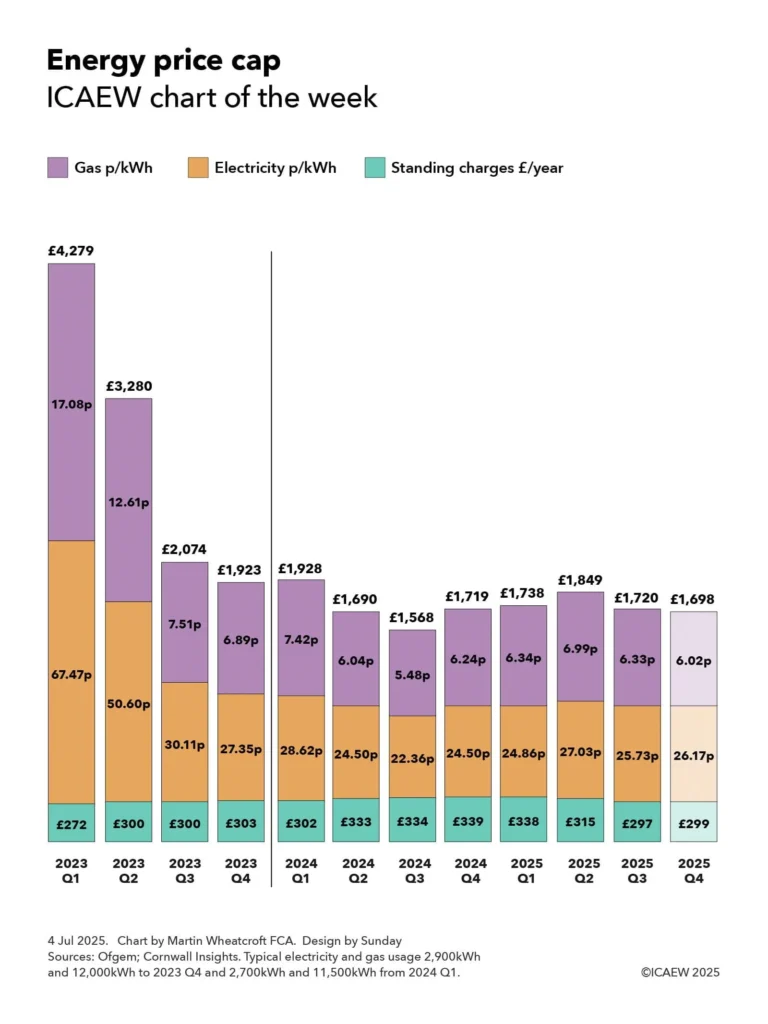
Energy costs have been one of the biggest household concerns since the 2022 global energy crisis. The average British household still spends close to £1,850 per year on gas and electricity, according to Ofgem’s 2025 energy price report. While that’s down from the 2023 peaks, the reality is simple — energy remains expensive, and winter bills can quickly become unmanageable for families on tight budgets.
That’s where the Warm Home Discount comes in. This £150 rebate — which is not a loan or repayable grant — is designed to reduce the financial burden on low-income or vulnerable households. However, reports surfaced that some energy companies might not pass the full benefit to customers on fixed-rate tariffs.
In response, Energy Secretary Ed Miliband stepped in, issuing a formal demand that all suppliers pass on the full £150 discount to every eligible customer, regardless of tariff type. His message was clear: “This support is meant for the people, not for company profits.”
What the Warm Home Discount Is — and Isn’t
The Warm Home Discount is a UK government-backed program that requires large energy suppliers to give a one-time rebate of £150 to qualifying customers. It’s not cash that you receive directly; instead, it’s applied as a credit on your energy account or a voucher for prepayment customers.
The scheme started in 2011 and has since helped millions of families reduce the strain of winter heating costs. The goal is to support those most at risk of fuel poverty — that is, households spending a large chunk of their income just to stay warm.
Unlike temporary measures such as the Energy Bills Support Scheme from 2022, the Warm Home Discount is an ongoing, annual program that renews each winter. It’s funded through obligations placed on energy suppliers by the government and monitored by Ofgem, the UK energy regulator.
Who Qualifies — and How Eligibility Changed in 2025
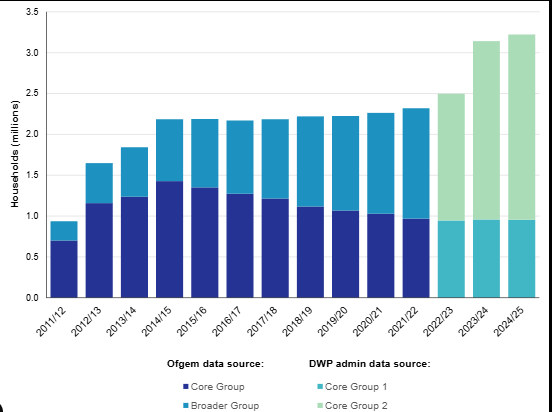
The 2025 update to the WHD program was the biggest since its creation. The government expanded eligibility by over 2.7 million households, meaning more working families and renters now qualify than ever before.
You qualify for the Warm Home Discount in England and Wales if:
- You or your partner are named on the energy bill.
- You receive one of the qualifying benefits:
- Universal Credit
- Pension Credit (Guarantee or Savings Credit)
- Income Support
- Income-based Jobseeker’s Allowance
- Income-related Employment and Support Allowance
- Housing Benefit
- You were with a participating supplier on the qualifying date — 24 August 2025.
In Scotland, the system works slightly differently, as you may still need to apply directly through your energy provider.
Those in Northern Ireland don’t receive the Warm Home Discount, but they can apply for similar assistance through the Affordable Warmth Scheme.
The Fixed-Rate vs. Variable-Rate Debate
The current controversy began when some suppliers argued that customers with fixed-rate contracts might not automatically get the discount because their rates were “locked in.” That sparked criticism, as these customers are often the ones who committed to fixed plans to protect against price hikes — not to lose out on savings.
Ed Miliband stepped in, stating publicly that every single customer eligible under government criteria must receive the full £150, regardless of contract type.
This demand came after a BBC investigation found that nearly 37% of energy customers in the UK were on fixed deals and risked missing out. Suppliers are now under pressure to recalculate or manually adjust those accounts.
In short: If you’re on a fixed tariff, don’t assume the discount is automatic — check your bill carefully.
Energy Bills Warning: How to Claim the £150 Discount
- Check if You Qualify
- Confirm your benefits status.
- Ensure your supplier participates (most major providers do).
- Check your supplier’s website or the GOV.UK list.
- Wait for Your Letter (Oct–Jan)
The Department for Energy Security and Net Zero will send letters to eligible households confirming automatic application or requesting more information. - Follow Instructions if Contact Is Needed
Some people may need to confirm their details. Call the Warm Home Discount helpline at 0800 030 9322 if you get a letter or think you qualify but haven’t received one. - Check Your Bill or Prepayment Meter
- Direct debit users will see the £150 appear as a credit.
- Prepay customers will receive a voucher by mail, text, or email.
- If You Moved or Switched Suppliers
The supplier you were with on 24 August 2025 is responsible for applying the discount — even if you’ve switched since. Contact them with your new address if needed. - If You Haven’t Heard by January 2026
Don’t wait. Call the helpline before the end of February 2026 to ensure your application is processed.
What Experts Are Saying?
Energy analysts and consumer advocates largely welcome the discount but say more long-term solutions are needed.
According to Martin Lewis of MoneySavingExpert, “The Warm Home Discount is a lifeline for millions, but it’s not enough on its own. The system still leaves too many households vulnerable to energy debt.”
The Committee on Fuel Poverty reported that roughly 13% of households in England still face “moderate or severe fuel poverty,” even after applying government aid.
Experts agree on one thing: the key is to combine short-term relief, like the WHD, with long-term efficiency upgrades — better insulation, smarter heating systems, and clean energy investment.
Practical Tips to Save More This Winter
Even with the £150 credit, winter energy bills can still sting. Here are some practical, real-world ways to stretch your savings:
1. Lower your thermostat slightly — Turning it down by just 1°C can save about £80–£100 a year.
2. Plug draughts and leaks — Use draft stoppers, seal gaps around windows, and close curtains at night to retain heat.
3. Unplug “vampire devices.” Chargers, routers, and TVs in standby mode cost the average home £60–£70 annually.
4. Upgrade insulation and lighting. Check if you qualify for local energy-efficiency grants or low-cost LED bulb schemes.
5. Compare energy suppliers. Even small tariff differences can add up to hundreds per year — Ofgem’s comparison service is free and unbiased.
6. Use smart meters wisely. Track when and how you use power to shift consumption away from peak hours.
These tips might sound basic, but together they can make a noticeable dent in your overall bills — especially when combined with the Warm Home Discount.
Long-Term Energy Policy and the Future
The UK government’s Net Zero and Clean Power Plan is part of the broader mission to lower dependency on imported gas and move toward renewable sources like wind, solar, and nuclear.
Ed Miliband has also introduced plans for Great British Energy, a state-owned energy company expected to launch in 2026, aimed at stabilizing prices and reinvesting profits back into public infrastructure.
The hope is that programs like the Warm Home Discount will eventually become part of a wider affordability framework, rather than a seasonal quick fix.
Still, experts caution that large-scale reform takes time. The current system remains heavily dependent on wholesale market prices and legacy infrastructure, meaning volatility will likely continue in the short term.
The Bigger Picture
The Warm Home Discount represents more than just £150 — it’s part of a larger conversation about fairness and access to energy in Britain. For families juggling rent, food, and childcare, that credit could mean the difference between keeping the heat on or turning it off. Yet the government and energy companies alike are under pressure to go beyond stopgap discounts. The next few years will likely bring reforms to pricing models, increased investment in renewables, and stronger consumer protections. For now, this is tangible help — but also a reminder that households must stay informed, proactive, and engaged.