Maximize Your SNAP Benefits: When grocery prices keep rising and paychecks seem smaller than ever, every dollar matters. That’s where the Supplemental Nutrition Assistance Program (SNAP) — often called food stamps — steps in. SNAP is designed to help low-income individuals and families afford groceries and maintain a healthy diet. But here’s the truth: millions of Americans don’t get the full benefits they could because they’re unaware of small but important steps that can increase their monthly allotment. This comprehensive guide breaks down how to maximize your SNAP benefits, stretch your food budget, and even find bonus programs that give you more fresh food for the same money. It’s written in plain language — simple enough for a 10-year-old to understand — but also detailed enough for professionals and policy advocates who want to understand the system better.
Maximize Your SNAP Benefits
The SNAP program is more than government aid — it’s a foundation for food security and a bridge toward a better future. By understanding how benefits are calculated, reporting all deductions, and taking advantage of bonus programs, you can stretch your monthly allotment much further. Remember, SNAP is your right — not a handout. Use it wisely, plan smartly, and combine it with other community resources. Whether you’re a parent feeding a growing family, a senior on a tight budget, or a worker navigating tough times, these strategies can help you stay nourished, stable, and strong.
| Fact / Data | Why It Matters |
|---|---|
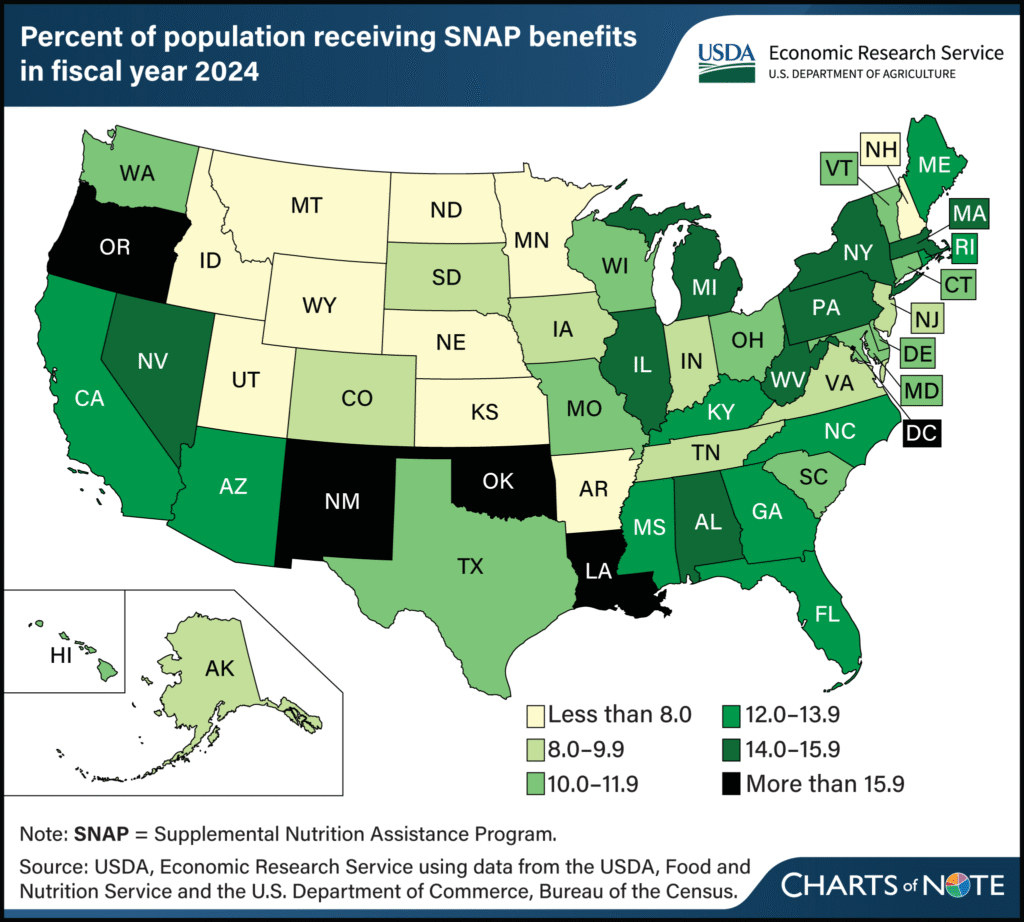
| 41.8 million Americans used SNAP in 2025 (around 12.4% of the U.S. population) | SNAP isn’t a fringe program — it’s one of the most essential supports in the country. |
| Average monthly benefit (2025): $212 per person | SNAP helps millions, but it doesn’t always stretch far — smart planning is key. |
| Maximum benefit for a family of 4: $973 (FNS USDA) | If your income is low enough, you could qualify for the full amount. |
| Major deductions: housing, utilities, child care, medical expenses | Deductions reduce your net income and can increase your benefit size. |
| EBT benefits roll over month-to-month (up to one year) | You don’t lose unused benefits right away, so smart timing helps. |
| Bonus programs double produce purchases in 30+ states | You can literally double your fresh fruits and veggies with SNAP. |
What SNAP Really Is — and Why It’s So Important?
SNAP is America’s largest federal nutrition program, providing financial assistance to buy groceries for people with limited incomes. The benefits are delivered through an Electronic Benefit Transfer (EBT) card, which functions like a debit card but is limited to food items.
You can use SNAP to buy fruits, vegetables, meats, poultry, dairy, bread, cereal, and pantry staples. However, SNAP does not cover alcohol, hot prepared meals, cleaning products, pet food, or non-food items.
This program isn’t about handouts — it’s about making sure every American, no matter their income, can maintain access to healthy food. It helps stabilize communities, supports local grocery stores, and improves public health outcomes by reducing hunger and food insecurity.
Who Benefits From SNAP Benefits?
SNAP serves a wide range of Americans — from working parents trying to feed kids, to seniors living on Social Security, to people with disabilities. The program is designed for everyone who meets income and resource limits.
- Roughly 39% of SNAP participants are children under 18.
- About 20% are seniors (60 or older).
- Around 10% of beneficiaries have disabilities.
- More than 15 million workers in low-wage jobs — retail, caregiving, food service — rely on SNAP to feed their families.
SNAP is truly a working-family program — over half of all adult SNAP recipients work, but their wages are too low to cover basic needs.
Why Maximize Your SNAP Benefits?
Many families receive less SNAP assistance than they could qualify for because they overlook deductions or fail to update their information. Others don’t know about additional programs that can stretch their benefits further.
For example, rent, utilities, and medical expenses are considered deductions that reduce your net income, which is what SNAP uses to determine how much you get. If you don’t report these, your benefits can be smaller than you deserve.
Maximizing your benefits isn’t cheating the system — it’s using the system correctly. By understanding how SNAP calculates benefits, you can make sure you’re getting every dollar you qualify for.
Step-by-Step: How to Maximize Your SNAP Benefits
Step 1: Understand How SNAP Calculates Your Benefit
SNAP uses a formula:
Maximum Allotment – 30% of Net Income = Monthly Benefit.
The lower your net income, the higher your benefit. You can reduce your net income by reporting all allowable deductions, such as:
- Housing costs: Rent, mortgage, property taxes, and utilities.
- Child care: Costs that allow you to work or attend school.
- Medical expenses: Out-of-pocket medical costs over $35/month for seniors and disabled individuals.
- Child support: Court-ordered payments you make.
Keep detailed records of your bills, pay stubs, and receipts. Submit these during your initial application or re-certification process. Most states allow online submissions through their SNAP portals.
Step 2: Reapply or Update When Your Situation Changes
If your household loses income, gains a new member, or sees an increase in expenses (like rent or utilities), report it right away. States allow you to re-certify early or update your case to reflect your new situation. Doing so may qualify you for a larger benefit.
Example: If you start earning less or take unpaid leave, updating your case quickly can prevent losing hundreds of dollars in benefits.
Step 3: Budget and Plan Like a Pro
Think of your EBT card as your monthly grocery budget. The goal is to stretch it across 30 days without running out early.
- Plan your meals: Pick simple, nutritious recipes and shop only for the ingredients you need.
- Shop smart: Buy generic or store-brand products instead of name brands — they’re often 20–30% cheaper.
- Buy in bulk: Non-perishables like rice, beans, and oats are cheaper per ounce and last longer.
- Compare prices: Use unit pricing (price per pound or ounce) to find the best deals.
- Shop seasonally: Fruits and vegetables cost less when they’re in season.
If you can, shop midweek — grocery stores often restock and discount items between Tuesday and Thursday.
Step 4: Stack SNAP With Other Food Assistance
SNAP is just one tool in your food security toolkit. Combine it with other programs to stretch your food budget:
- WIC (Women, Infants, and Children): Helps pregnant women and children under 5.
- School Meal Programs: Free or reduced-price meals for children in SNAP households.
- The Emergency Food Assistance Program (TEFAP): Offers free groceries through food banks.
- Senior Farmers Market Nutrition Program (SFMNP): Provides coupons for fresh produce to seniors.
- Community food banks: Find one near you at Feeding America.
These programs can fill the gaps when SNAP alone isn’t enough.
Step 5: Take Advantage of “Double Up Food Bucks” Programs
Over 30 states now offer Double Up Food Bucks, which matches every SNAP dollar you spend on fresh fruits and vegetables at participating farmers markets and grocery stores.
Spend $10 of EBT = Get $10 extra for produce.
This not only doubles your food buying power but also supports local farmers. Programs like Market Match (CA), Fresh Access Bucks (FL), and Healthy Incentives Program (MA) operate under similar rules.
Step 6: Use Technology to Track and Save
Managing SNAP is easier than ever with digital tools.
- Providers (formerly Fresh EBT): Lets you check your balance, find discounts, and access coupons.
- Mint or EveryDollar: Helps you track household expenses and set food budgets.
- SNAP-Ed Online: Free educational resources for nutrition and meal planning.
Set reminders for your balance and recertification dates so you don’t miss out on benefits.
State-by-State Tips for 2025
Each state operates SNAP slightly differently, so it helps to know the local perks.
| State | Unique Feature |
|---|---|
| California (CalFresh) | Online application at GetCalFresh.org; Market Match doubles produce purchases. |
| Texas | Manage benefits through YourTexasBenefits.com; streamlined recertification. |
| Florida | Fresh Access Bucks adds up to $40 monthly in free produce. |
| Michigan | Double Up Food Bucks statewide, up to $20 per visit. |
| New York | SNAP On-Demand interviews for faster processing. |
| Illinois | Allows online EBT grocery shopping with Amazon, Walmart, and Aldi. |
Eat Better, Not Just More
Stretching SNAP isn’t just about buying more food — it’s about buying better food. Nutrition matters. Poor diets lead to long-term health costs that hurt both your wallet and wellbeing.
Follow the MyPlate model (MyPlate.gov):
- Fill half your plate with fruits and vegetables.
- One-quarter with grains (preferably whole grains).
- One-quarter with protein (lean meats, beans, eggs, or tofu).
- Add a serving of dairy, like milk or yogurt.
Frozen and canned fruits or vegetables count — just look for “no added sugar” or “low sodium” options.
Cooking at home saves money. Households that cook regularly save around $600 annually compared to those buying ready-made meals.
Common Mistakes That Reduce Benefits
Many people lose out on extra food support because of small errors. Avoid these:
- Not reporting rent or utility increases — higher costs may raise your benefit.
- Skipping medical deductions — seniors and disabled individuals often forget this.
- Missing recertification deadlines — leads to suspended benefits.
- Failing to list all household members — fewer members = smaller allotment.
- Not using benefits for a full year — unused EBT funds expire after 12 months.
Stay proactive. Update your information regularly and keep all paperwork organized.
Will Holiday Closures Delay SNAP Payments? What to Expect Around Christmas
Texas SNAP Payments Set for December 8–14 — Check Payment Dates and Eligibility Criteria
Last Chance to Ship! 2025 Holiday Deadlines for USPS, FedEx, Amazon & Major Stores Revealed