The U.S. Department of Veterans Affairs’ VA cremation payouts offer partial financial relief for families handling funeral arrangements, yet many remain uncertain about how much assistance is actually available. The VA distributes burial allowances based on service history, cause of death, and the burial site selected by relatives. As funeral and cremation prices continue to climb nationwide, experts say understanding these benefits is increasingly important for veterans and their families.
VA Cremation Payouts
| Key Fact | Detail |
|---|---|
| Maximum reimbursement for service-connected death | Up to $2,000 |
| Burial allowance for non-service-connected death | $300–$948, depending on circumstances |
| Non-cash support | Gravesite, perpetual care, marker, flag, military honors |
| Claim deadline | Within two years of burial for non-service-connected deaths |
Understanding VA Cremation Payouts and Rising Funeral Costs
The VA provides reimbursements to help offset cremation costs, burial expenses, and related services for eligible veterans. According to the National Cemetery Administration, the allowances were never intended to function as full cost coverage, but rather as symbolic financial support acknowledging military service.
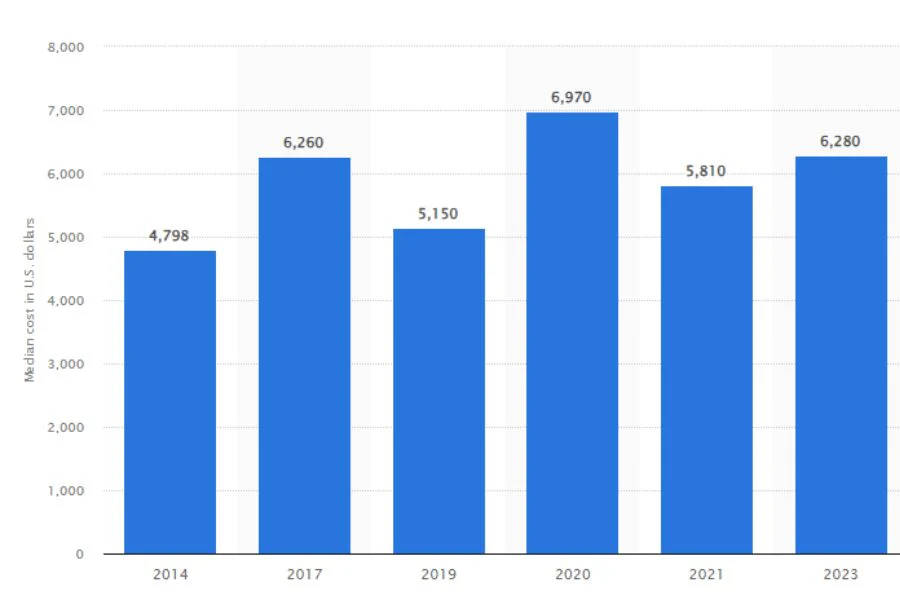
Yet the gap between the allowance and actual market prices has grown. National Funeral Directors Association data shows that median funeral and cremation prices have increased steadily for more than a decade. Direct cremation, the least expensive option, averaged $1,700 in 2023, while cremation with a memorial service can exceed $5,000 in many states.
“We meet families who expect the VA to cover everything, and they’re surprised to learn benefits are reimbursement-based and often modest,” said Michael Quinn, a policy analyst at the Veterans Benefits Institute.
How VA Burial Allowances Work
VA burial allowances fall into two main categories: service-connected deaths and non–service-connected deaths. These allowances are adjusted annually according to the Consumer Price Index.
Service-Connected Deaths
Families of veterans whose death results from a service-related injury or illness may receive up to $2,000, according to VA policy updates. The VA may provide additional reimbursement if burial occurs in a state or tribal veterans cemetery.
“These higher payouts reflect the VA’s recognition of the unique circumstances surrounding service-connected deaths,” explained Dr. Lena Harrison, a senior researcher at RAND Corporation.
Non–Service-Connected Deaths
For non-service-related deaths, benefits are lower:
- $948 if the veteran dies in a VA hospital or under VA-contracted care.
- $300 if the death occurs outside a VA facility.
- $231 for a burial plot if the veteran is not interred in a national cemetery.
While modest, these allowances do help reduce initial expenses. However, for families managing complex arrangements or private cemetery fees, out-of-pocket costs can still be significant.
History and Intent Behind VA Burial Benefits
VA burial benefits date back to the early 20th century, evolving alongside shifting public expectations about veterans’ care. Originally, burial payments were small fixed sums meant to help families transport and bury remains after wartime service. Congress gradually expanded benefit categories, but payouts did not keep pace with inflation.
A 2013 Government Accountability Office (GAO) report noted that burial allowance values covered nearly half of average funeral costs in the 1970s. Today, they cover less than 10%.
“The allowances have not been modernized in decades,” said James Wilcox, deputy director of the nonprofit Veterans Burial Reform Task Force. “They were never intended to fully cover funeral expenses, but the gap between intent and reality has widened.”
Non-Monetary Veterans Benefits That Offset Costs
Aside from direct payouts, the VA offers extensive non-monetary support that can substantially reduce total expenses. These benefits often represent greater financial value than cash allowances.
The VA provides:
- A gravesite in a national cemetery
- Perpetual care for that gravesite
- A headstone, marker, or niche cover
- A burial flag
- Military funeral honors, upon request
- Presidential Memorial Certificate
These services can collectively save families thousands of dollars, especially in regions where private cemetery interment is costly.
“Families often underestimate the financial and emotional significance of these services,” said Col. Andrea Bowen, a spokesperson for the National Cemetery Administration. “Perpetual care alone removes a major long-term burden.”
Burial in a National, State, or Tribal Veterans Cemetery
There are more than 150 national cemeteries across the United States. Eligibility extends to most veterans who did not receive a dishonorable discharge.
State and tribal cemeteries are increasingly popular alternatives. Many states provide low- or no-cost interment, though rules vary.
The VA expanded authority in 2023 to cover transportation of remains to state and tribal cemeteries, reflecting a goal to reduce cost barriers for families in rural or underserved regions.
How Families Claim VA Cremation Payouts
The VA requires specific documentation to process burial benefits:
- DD-214 (proof of discharge status)
- Death certificate
- Itemized funeral bill, listing payment status
- VA Form 21P-530, the burial benefits application
The VA recommends submitting claims as early as possible. For non-service-connected deaths, families must file within two years of burial or cremation. For service-connected deaths, there is no deadline.
Processing times vary widely. VA officials have acknowledged that claims with missing documentation are the most common source of delay.
Why VA Payouts Often Fall Short of Actual Cremation Costs
Funeral prices have risen faster than general inflation for decades. Several factors explain the widening gap between VA allowances and real-world costs:
1. Rising funeral home overhead
Staffing, facility maintenance, and legal compliance have grown more expensive.
2. Higher cremation demand
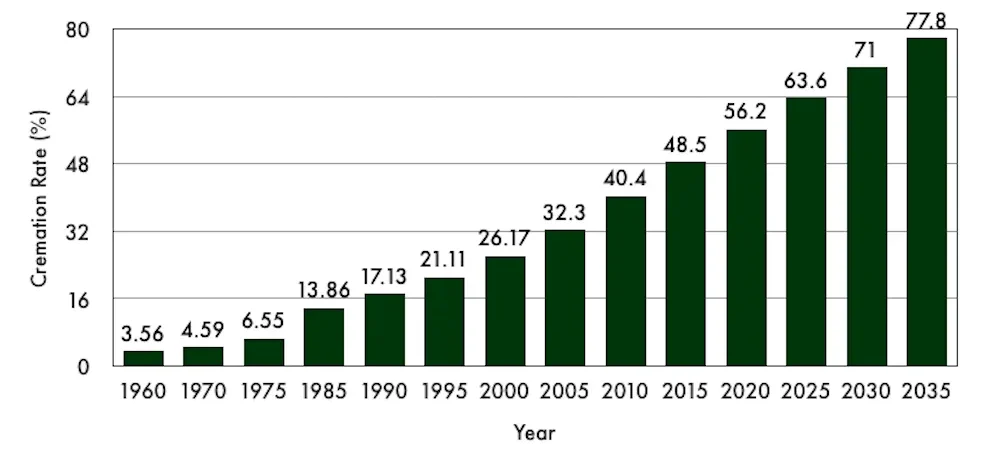
More families choose cremation, leading to competitive pricing in some areas but steep increases in others.
3. Stagnant federal allowances
Congress has not significantly restructured burial allowances for more than 20 years.
4. Regional disparities
Cremation in rural areas may cost under $1,000, while in urban centers it may exceed $4,000.
“Reimbursement levels remain rooted in economic conditions that no longer exist,” said Dr. Samuel Kingston, a public policy professor at the University of Maryland. “This is a rare area of federal benefit design that has not undergone comprehensive reform.”
Advocacy Groups Push for Updated Benefits
Organizations including Disabled American Veterans (DAV) and the American Legion have testified before Congress calling for higher burial allowances. They argue that stagnant benefit rates create inequities for surviving families, especially those with limited financial resources.
A 2024 DAV statement before the House Committee on Veterans’ Affairs argued that the allowances “fall far short of reflecting the nation’s commitment to its veterans.”
Some proposals under discussion include:
- Pegging burial allowances to the national median cremation cost.
- Providing automatic cost-of-living adjustments tied to funeral industry inflation.
- Expanding eligibility for transportation assistance.
- Allowing funeral homes to accept direct VA payments.
None of these proposals have passed, though lawmakers from both parties have expressed interest in modernizing benefits.
Case Study: A Family Navigates the System
When Sandra Martinez lost her father, a Vietnam veteran, she expected the VA to cover most funeral expenses. Her father had chosen cremation and wanted his ashes interred in a state veterans cemetery.
“We thought all of it would be covered,” she said. “But the funeral bill was still over $2,500.”
The family ultimately received $948 because the veteran died in a VA hospital, along with a free burial site and government-issued marker.
“The burial benefits were meaningful,” Martinez said. “But we had to learn the process ourselves. More guidance would help families during a very hard time.”
Practical Guidance for Families
Experts recommend several steps to avoid financial surprises:
1. Verify eligibility early
Request the DD-214 in advance, if not already available.
2. Choose cremation providers carefully
Prices vary significantly even within the same county.
3. Ask funeral homes about veterans discounts
Many offer reduced rates for military families.
4. Contact a VA-accredited representative
They can help with paperwork, claims, and appeals at no cost.
5. Consider pre-planning
Locking in pricing may shield families from future increases.
What Comes Next
While VA cremation payouts remain a valuable component of the nation’s veterans benefits system, analysts say broader reforms may be necessary to keep pace with economic realities. Congressional committees continue reviewing proposals, though timelines remain uncertain. For now, families must navigate a system built on reimbursement rather than comprehensive cost coverage.