Two Rare Bicentennial Quarters: You’ve probably seen those viral headlines claiming that two rare Bicentennial quarters could be worth $85 million. Sounds incredible, right? Imagine finding life-changing money in your old coin jar! But before you start digging through every quarter in your couch cushions, let’s get the story straight. The 1976 Bicentennial Quarter is a real coin — one of the most beloved designs in U.S. history — but the million-dollar claims are pure exaggeration. Still, there’s truth behind the hype: some Bicentennial quarters are valuable, and learning how to identify them can turn an everyday coin hunt into a rewarding hobby.
Two Rare Bicentennial Quarters
The 1976 Bicentennial Quarter remains one of the most collected U.S. coins — a piece of art and history that still jingles in everyday pockets. While you’re unlikely to uncover an $85 million windfall, learning how to spot and protect valuable examples can turn this hobby into both fun and profit. Remember: knowledge is your greatest asset. Study mint marks, learn grading standards. Whether your coin is worth a quarter or a small fortune, it represents a living connection to America’s story — and that’s worth celebrating.
| Key Point | Details / Data |
|---|---|
| Total Coins Minted | Roughly 1.67 billion across Philadelphia, Denver, and San Francisco. |
| Average Circulated Value | 25¢ to $1 — the same as face value for most pieces. |
| High-Value Variants | 1976-S silver-clad proofs and uncirculated coins; rare mint errors. (PCGS) |
| Top Verified Auction Sale | Around $19,200 for a high-grade 1976-S silver business strike. |
| Common Myth | Online posts claiming $85 million values — no evidence or auction record supports this. |
| Collectible Factors | Mint mark, metal composition, condition, and minting errors. |
The Story Behind the Bicentennial Quarter
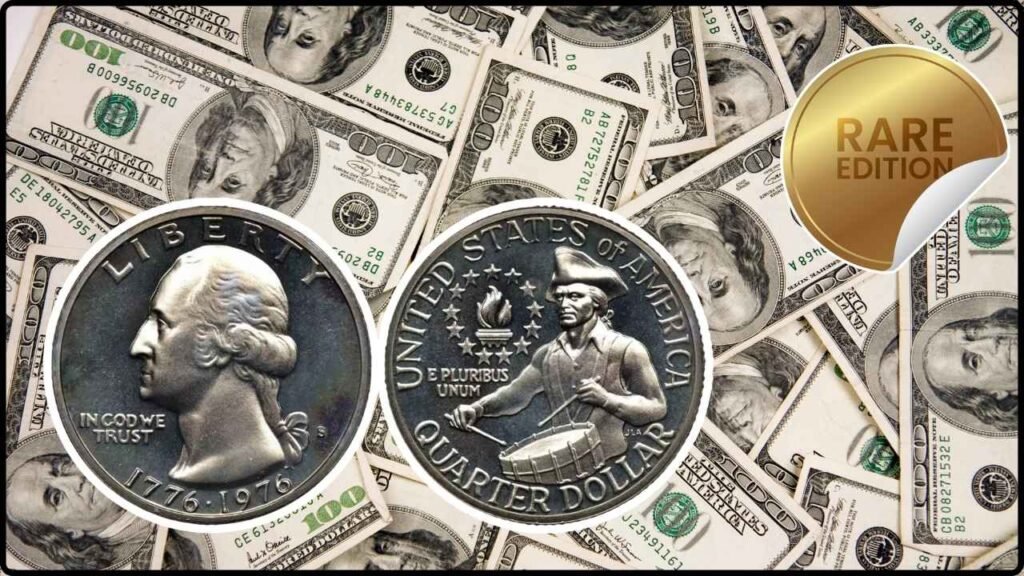
In the early 1970s, as America prepared to celebrate its 200th birthday, Congress authorized a special redesign of the nation’s circulating coins. For the quarter, artist Jack L. Ahr created a patriotic reverse design featuring a Revolutionary War drummer and a torch encircled by thirteen stars. The obverse side retained George Washington’s familiar portrait but carried the dual date “1776-1976.”
The new design symbolized both freedom and unity — fitting for the spirit of the Bicentennial year. To meet demand, the U.S. Mint struck more than 1.6 billion quarters between 1975 and 1976. That’s one of the highest mintages in American coinage, so most examples remain common today.
However, special silver issues struck in San Francisco — intended for collectors — and rare minting errors have created pockets of real value within that mountain of coins.
Why Collectors Love These Two Rare Bicentennial Quarters?
The Bicentennial quarter captures a unique chapter in American history. For many families, it’s more than just pocket change — it’s a keepsake from a time when the nation came together to celebrate two centuries of independence. Kids collected them, grandparents saved them in coffee tins, and they became a symbol of patriotic pride.
Today, collectors appreciate these coins for several reasons:
- Cultural Significance: The coin represents an era of national celebration and nostalgia.
- Design Excellence: The drummer-boy motif is among the most recognized in U.S. coinage.
- Accessibility: Almost everyone has seen one, making it a great entry point for new collectors.
- Potential Value: Rare errors or high-grade silver proofs can fetch serious money.
Even if a coin isn’t worth thousands, owning one connects you to history — and that’s part of the magic of collecting.
What Makes Two Rare Bicentennial Quarters Valuable?
Understanding what drives value helps separate hype from fact. Here’s what truly matters:
Mint Mark and Metal Content
- Philadelphia (no mark): Standard copper-nickel quarters for circulation.
- Denver (D): Also copper-nickel; some high-grade mint-state examples hold modest premiums.
- San Francisco (S): Produced collector editions — both copper-nickel proofs and 40 percent silver-clad coins sold in special sets.
You can check for silver content by examining the coin’s edge. A solid silver-gray rim (no copper stripe) indicates a silver-clad issue. Silver coins also weigh slightly more — about 5.75 grams versus 5.67 grams for copper-nickel.
Condition and Grading
Condition is everything in numismatics. Coins are graded on the Sheldon Scale (1 – 70) by professional services such as PCGS or NGC.
- MS-60 – MS-63: Mint-state but with minor marks.
- MS-65 – MS-67: High-end collector quality.
- MS-70 / PR-70: Perfect — nearly flawless.
A single point difference can mean hundreds or even thousands of dollars in value.
Errors and Varieties
Minting isn’t a perfect science, and mistakes can create rare treasures:
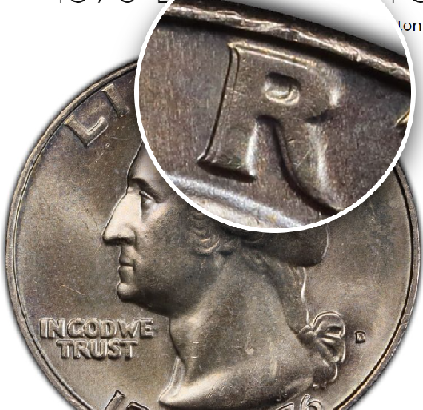
- Double-die obverse or reverse (design appears doubled).
- Off-center strikes (design shifted noticeably).
- Clipped planchets (part of the coin missing).
- Wrong-metal strikes (a quarter struck on a dime or foreign planchet).
Because these errors were unintentional and rare, collectors pay hefty premiums — sometimes thousands of dollars — for verified examples.
Authentication
If you suspect your coin might be special, have it authenticated. Grading not only confirms genuineness but also encapsulates the coin in a protective case (“slab”) that preserves condition and boosts resale value.
Realistic Prices vs Viral Myths
Let’s talk real numbers. According to auction records:
- Standard circulated coins: 25 ¢ – $1
- Uncirculated copper-nickel: $5 – $25 depending on grade
- Silver-clad proofs (S-mint): $10 – $200, occasionally more
- Exceptional silver business strikes: up to $19,200, the verified record sale
Those eye-popping $85 million claims? They simply don’t exist in credible records. No listing from Heritage Auctions, Stack’s Bowers, or any major grading service confirms such sales.
Remember: viral posts exaggerate to drive clicks. Always cross-check against professional sources before believing wild valuations.
Step-by-Step: How to Check Your 1976 Quarter
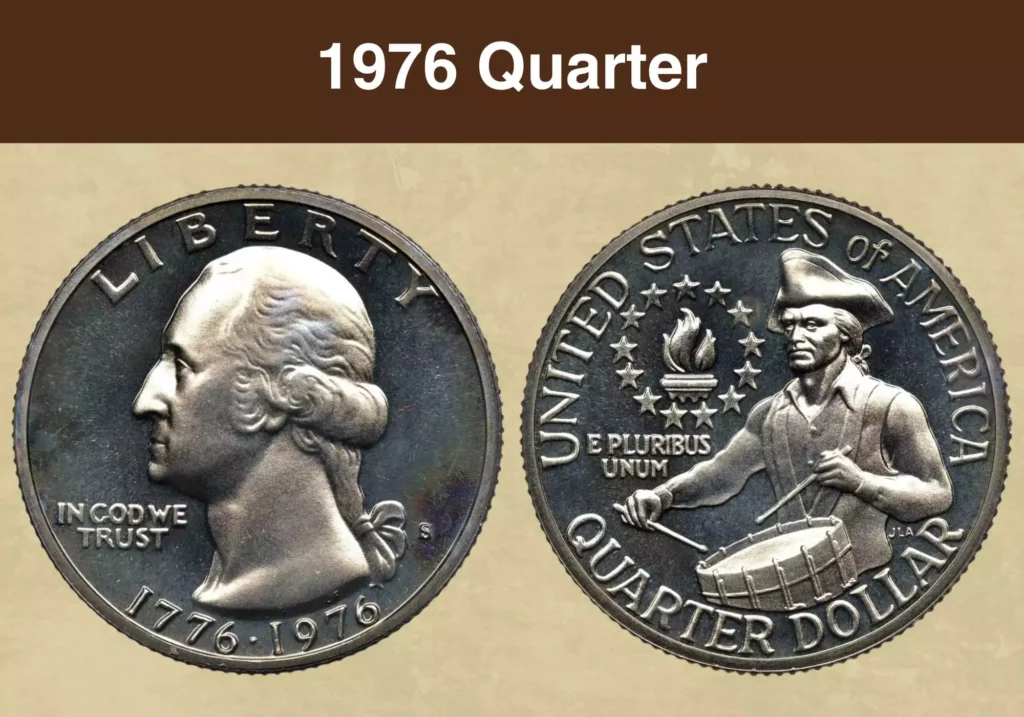
- Locate the Mint Mark — Below Washington’s neck: D, S, or none.
- Weigh the Coin — Silver = ~5.75 g; copper-nickel = ~5.67 g.
- Inspect for Wear — Sharp details and shiny fields signal better grades.
- Check for Errors — Doubling, missing letters, or odd shapes.
- Authenticate — Submit to PCGS or NGC for grading.
- Research Comparable Sales — Visit PCGS CoinFacts or eBay sold listings for recent prices.
- Protect It — Store in a non-PVC holder; handle only by the edges.
By following these steps, you’ll know whether your coin is a curiosity or a real collector’s piece.
The Coin Market and Investment Value
The rare-coin market in the U.S. is worth an estimated $5 billion annually, according to Forbes. Coins combine historical significance, scarcity, and intrinsic metal value — making them an appealing alternative investment.
Historical Growth
High-grade coins and precious-metal issues tend to appreciate over decades. During economic uncertainty, silver coins often rise in value because of their bullion content. Still, investing in coins requires patience, research, and documentation.
Expert Advice
Adam Stump, a U.S. Mint spokesperson, reminds collectors: “Always verify claims and rely on grading certifications — official records don’t support million-dollar Bicentennial quarters.”
Michael Fahey, senior grader at PCGS, adds: “Condition is king. A flawless silver proof is worth more than ten average uncirculated coins.”
Practical Tips
- Focus on rarity + condition, not hype.
- Keep purchase receipts and grading certificates.
- Diversify with both modern and classic U.S. issues.
- Study price guides and historical trends before buying.
American Coin Collecting Culture
Coin collecting is deeply woven into American life. Families in small towns and Native communities often pass coins down as heirlooms — tangible reminders of shared history. During the Bicentennial celebrations, many people hoarded the new drummer-boy quarters simply because they looked special.
As one longtime collector joked, “Every kid in the ‘70s thought they were saving for college with Bicentennial quarters.” While that dream didn’t exactly pan out, the coins still inspire a sense of nostalgia and pride. They’re part of a cultural story about hope, patriotism, and craftsmanship.
Coins like the Bicentennial quarter show that value isn’t only measured in dollars — it’s also about memory, heritage, and connection.